

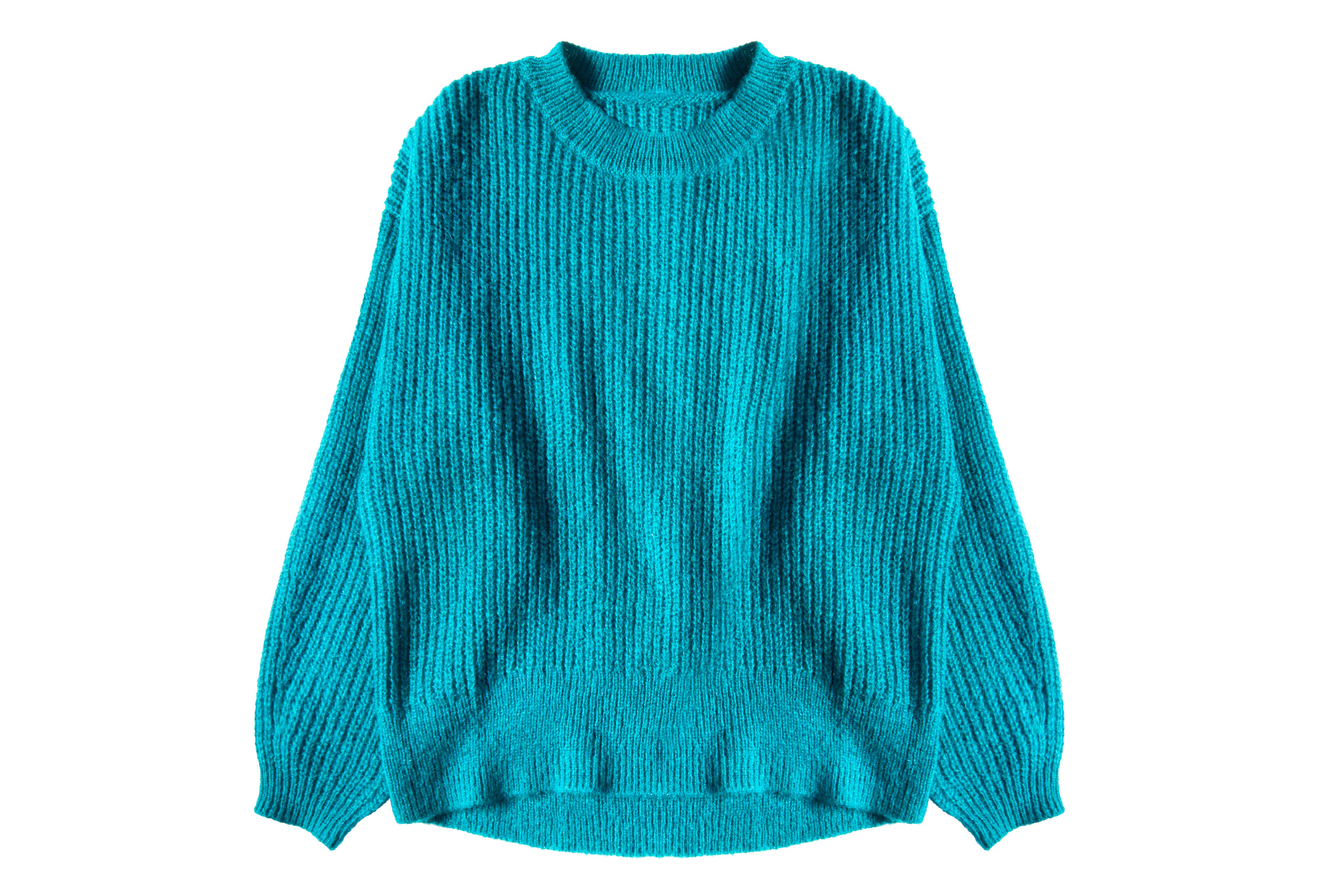
5 Easy Ways to Keep Your Knitwear Looking NewEvery favorite sweater or cardigan deserves a long life. With simple habits and a little attention, you can keep knitwear soft, shaped, and ready to wear season after season. Whether a cozy wool pullover or a lightweight cotton knit, these tips help you avoid stretching, pilling, and sagging so your pieces look fresh and feel great.
Wash with care: gentle cleaning that protects shape
Washing is one of the most important moments for knitwear. You can preserve shape by choosing gentle methods. For many knits, hand washing in lukewarm water with a mild detergent is ideal. Use small, gentle motions and avoid wringing or aggressive rubbing. If you use a machine, select a delicate cycle, cold water, and place the garment in a mesh laundry bag to reduce friction.
After washing, press water out gently by rolling the garment in a clean towel. This avoids stretching that happens when you hang wet knitwear. With a little care here, you prevent distortion and keep the knit’s stitch structure intact.
Dry and reshape: simple steps to keep lines tidy
Proper drying is where shape is really preserved. Lay knitwear flat on a dry towel or drying rack and smooth it back into its original shape. Pay attention to necklines, sleeves, and hems. If a sweater has stretched slightly, you can gently tug edges back to alignment while it’s damp.
Avoid hanging knitwear to dry. Gravity pulls on wet fibers and can cause lasting sag. If you need to speed drying, place the item in a well-ventilated area out of direct heat or sunlight. With a mindful drying routine, your knits will stay close to their original silhouette.
Store smart: folding and microclimates that protect fabric
How you store knitwear between wears matters. Folding is usually better than hanging for heavier or stretch-prone knits. Fold along natural seams and stash pieces in breathable containers or drawers. For lightweight knits, folding prevents shoulder bumps and keeps the neckline neat.
Create a favorable storage environment by keeping pieces cool, dry, and away from direct sunlight. You can add a sachet of natural absorbents like cedar or lavender to discourage insects. Rotating seasonal items gives each piece a rest and prevents long-term compression from being stacked under heavier items.
Tackle pills and snags quickly with gentle fixes
Pilling is a natural result of friction, but it doesn’t have to ruin a knit. Use a fabric comb or a gentle shaver designed for knits to remove pills carefully. Work slowly and with light pressure so you only remove the surface fuzz and not the yarn itself. If you don’t have those tools, a clean pair of scissors can trim individual pills close to the fabric.
Snags can be fixed without frustration. Use a crochet hook or a fine needle to pull a loose loop to the inside of the garment and smooth surrounding stitches back into place. Prompt, calm action keeps small issues from becoming bigger problems.
Rotate, refresh, and respect fiber differences
Regular rotation of favorite pieces spreads wear more evenly. You can extend life simply by not wearing the same knit every day. Between wears, air knits out for a short time to release odors and moisture instead of washing after every single use.
Also remember that different fibers like wool, cotton, and synthetic blends behave differently. Wool benefits from gentle, infrequent washing and careful drying. Cotton tolerates more frequent washing but can shrink if exposed to heat. With a little attention to fiber types, you’ll match care to the material and avoid surprises.
Keeping your knitwear looking new is achievable with thoughtful, simple routines. Gentle washing, flat drying and reshaping, smart storage, quick fixes for pills and snags, and mindful rotation add up to big results. With a little creativity and consistent habits, you can enjoy comfortable, well-shaped knits for many seasons to come—ready for cozy days and confident outings alike.
This text was generated using a large language model, and select text has been reviewed and moderated for purposes such as readability.