

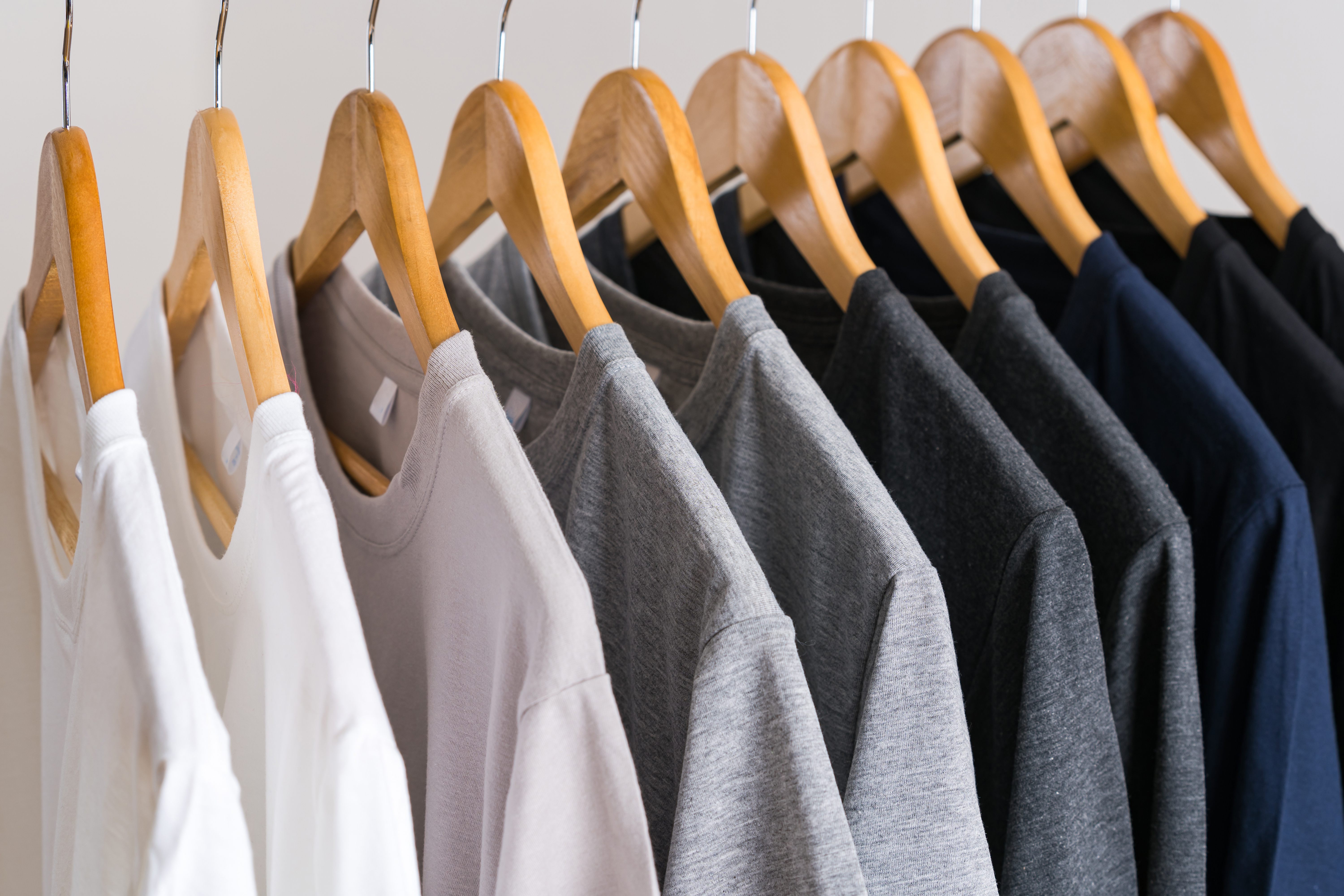
Inside the process: what to expect from custom made clothing servicesCustom made clothing is more accessible than ever, and you can enjoy garments that truly fit your life and style. Whether you’re curious about a tailored suit, a made-to-measure dress, or a jacket built to last, understanding the process takes the guesswork out of starting. With a little creativity and clear communication, you can get pieces that feel like they were made for you — because they are.
What happens first: consultation and style planning
The first step is a friendly conversation. Most custom services begin with a consultation that may happen in person, over video, or via a form. This is where you share what you want: the occasion, the look, the comfort level, and any must-have details. You can bring images, color preferences, and references to make your vision clear.
Use this time to ask simple questions about construction, lining, and intended wear. You can also discuss how you move, the climates you encounter, and any past fit frustrations. The provider will usually offer suggestions based on experience, helping you refine design choices into practical options that match your lifestyle.
Picking fabrics and details: how to choose with confidence
Fabric choice affects comfort, drape, and durability. If you’re new to fabrics, ask to feel swatches or view close-up photos. Natural fibers like cotton, linen, and wool breathe differently and have distinct care needs. With a little creativity, you can mix textures and trims to give a classic pattern a modern twist.
Don’t worry about making everything perfect on day one. Simple ways to make good choices include prioritizing fabric for the season, choosing a lining that improves comfort, and selecting trims (buttons, stitching) that reflect your personality. If you plan to wear the piece often, look for fabrics with good recovery and easy care instructions.
Getting fit right: measurements, fittings, and clear communication
Fit is the biggest advantage of custom clothing. Accurate measurements form the foundation. If measurements are taken in person, a skilled measurer will note your posture and any asymmetries. If you submit measurements online, follow guides closely and double-check numbers.
Expect at least one fitting for complex garments. A basted fitting — where the garment is loosely assembled — lets you try the shape and make adjustments. Be honest and specific: you can point out tightness, sleeve length, or how a collar sits. Good makers will translate your feedback into precise tweaks. Keep in mind that small changes at fittings often make the biggest difference to how a piece feels.
Timeline and practical expectations: planning so things arrive when you need them
Custom garments take time. From consultation to final delivery, schedules vary depending on complexity and workload. Ask for an estimated timeline early and plan around it. If you have a deadline, share it — makers can often prioritize or suggest simpler options to meet a date.
Transparency helps manage expectations. Many services will update you at key stages: fabric procurement, cutting, first fitting, and final finishing. You can gently request photos between steps if you like to stay involved. This kind of communication reduces surprises and helps you enjoy the process more.
Caring for custom pieces: small steps that extend life and value
Custom pieces are an investment in fit and longevity. Proper care keeps them looking and feeling great. Follow care instructions for washing and storage. For structured garments, consider using breathable garment bags and rotating wear to reduce strain. Minor repairs, like replacing a loose button or sharpening a seam, are simple ways to preserve shape and avoid bigger fixes later.
With a few habits — gentle laundering, prompt small repairs, and mindful storage — your custom wardrobe can last for years and feel fresher than off-the-rack equivalents.
Custom made clothing services open up possibilities: garments that match your body, your life, and your taste. The process is collaborative, practical, and surprisingly approachable. By starting with a clear consultation, making informed fabric and detail choices, prioritizing accurate measurements and fittings, and caring for your pieces, you can enjoy clothing that fits beautifully and lasts. You don’t need to be an expert to benefit — you just need curiosity, a little planning, and a willingness to communicate. The result is clothing that feels like it was made for you, because it was.
This text was generated using a large language model, and select text has been reviewed and moderated for purposes such as readability.