

5 Ways Clothing Influences Perceptions of Gender
Clothing does more than keep us comfortable — it tells stories. The way someone dresses can signal a lot about gender, whether intentionally or not. Understanding how garments, colors, and styling shape perception gives you simple tools to express yourself, navigate social spaces, and experiment with identity. With a little creativity, you can use clothing to affirm who you are or gently shift how others read you.
Silhouette and Shape: How Cuts Send Messages
Silhouettes are one of the clearest signals clothing sends. A tailored jacket with broad shoulders reads differently than a flowing dress. That doesn’t mean you must follow rules — it means you can choose shapes intentionally. If you want to emphasize strength or authority, lean into structured pieces like blazers, straight-leg trousers, or shirts with defined shoulders. To present softness or fluidity, try A-line skirts, draped tops, or clothes with curved seams.
Practical tip: experiment with proportions in front of a mirror or with photos. Swap a fitted top for a looser one, or try tucking a shirt to change your waistline. Small adjustments, like adding a belt or choosing a different skirt length, will change the silhouette and how others perceive you.
Color and Pattern: Subtle Signals with Big Impact
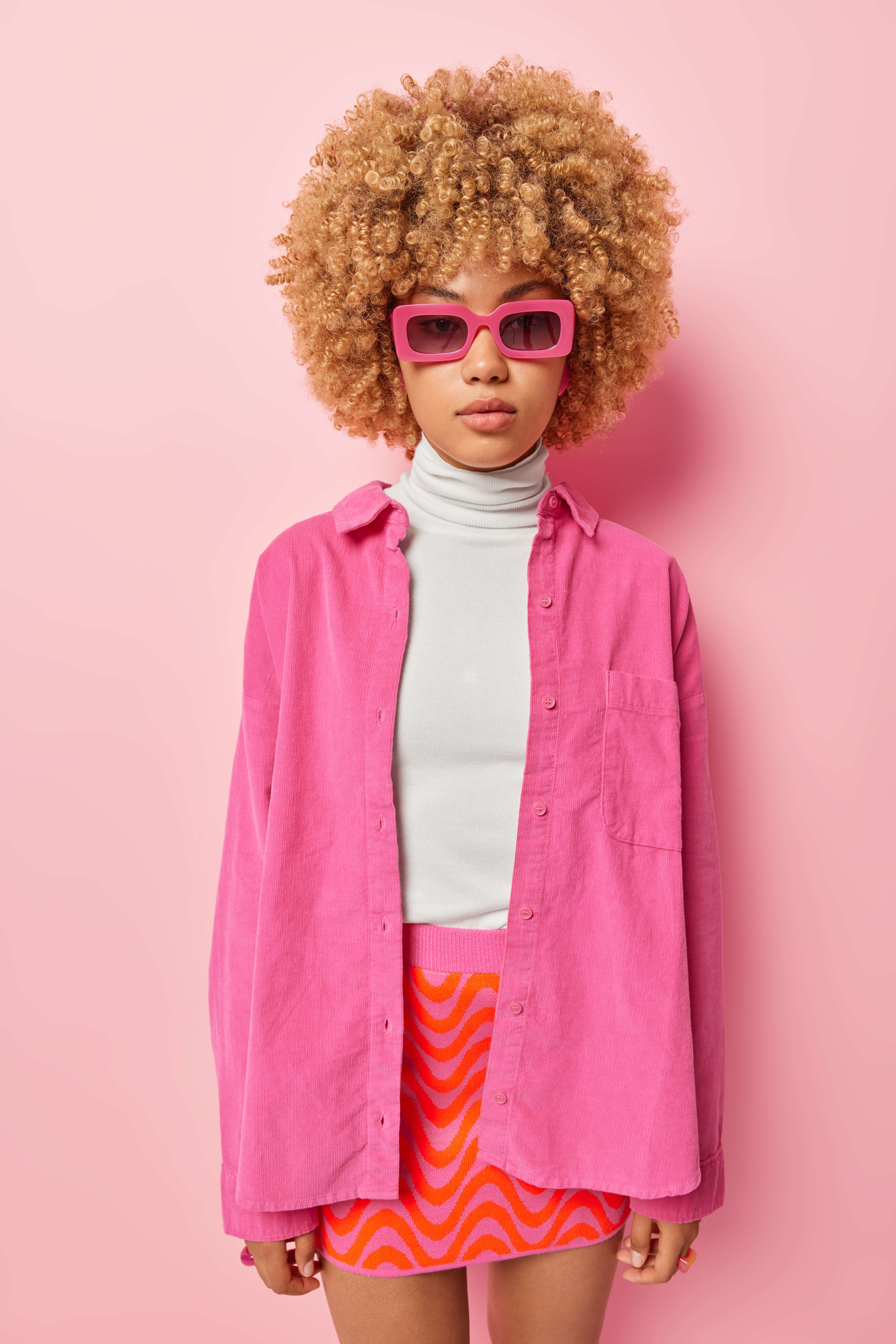
Colors and patterns carry cultural meanings that influence gender perception. Bright, saturated hues or bold geometric prints tend to draw attention and can feel assertive. Softer palettes and floral patterns often read as traditionally feminine in many contexts. That said, combining colors in unexpected ways can create a fresh, individual look that challenges assumptions.
Practical tip: use color blocks to balance messages. Pair a structured neutral jacket with a bright scarf to keep an authoritative silhouette while adding playful color. If you’re experimenting, try a monochrome outfit in an unconventional hue — it simplifies perception while letting color do the talking.
Textures and Fabrics: The Feel of Gendered Clothing
Fabric choice changes how an outfit reads. Stiff fabrics like denim or canvas suggest durability and practicality. Silky or lace fabrics evoke delicacy and movement. Layering textures is a creative way to mix signals and create a personal signature.
Practical tip: blend textures to soften or sharpen a look. Add a knit sweater over a crisp shirt for approachability, or wear a silk blouse under a tailored coat for elegance with structure. You can also try contrasting finishes, such as matte trousers with a satin top, to create balance that feels intentional rather than conventional.
Grooming and Accessories: Small Choices, Noticeable Effects
Accessories and grooming complete the message your clothes start. Eyewear, jewelry, shoes, and hairstyles guide viewers toward particular gendered readings. A watch and minimal jewelry can read as classic and understated. A bold earring or a patterned scarf can emphasize individuality and flair.
Practical tip: start with one accessory to shift perception. Swap chunky shoes for sleeker ones to change an outfit’s mood. Try a hat or a bold necklace to add an edge or soften a look. Practical grooming choices — neat hair, clean nails, subtle makeup — help your outfit’s message land the way you intend.
Context and Combination: Match Your Message to the Moment
Clothing doesn’t exist in a vacuum. The same outfit can be read differently depending on where you are and who you’re with. Work settings, casual weekends, and social events each create expectations that influence how gendered signals are interpreted. Being mindful of context helps you choose pieces that align with your goals for the moment.
Practical tip: plan outfits around the occasion with a simple checklist in mind: comfort, clarity, and confidence. If you want to be taken seriously at a meeting, choose items that give you confidence and reflect the norms of that space. If you’re exploring gender expression, pick a safe setting to try new combinations and notice how they feel and how people respond.
Clothing is a powerful, playful tool for shaping perception. You can use silhouette, color, texture, accessories, and context to craft an image that supports your identity — or to gently nudge others’ expectations. Experimenting is part of the fun: try one change at a time, notice the difference, and build a wardrobe that feels uniquely yours. With curiosity and a few small adjustments, you can turn daily dressing into an empowering way to express gender in ways that feel true and joyful.
This text was generated using a large language model, and select text has been reviewed and moderated for purposes such as readability.