

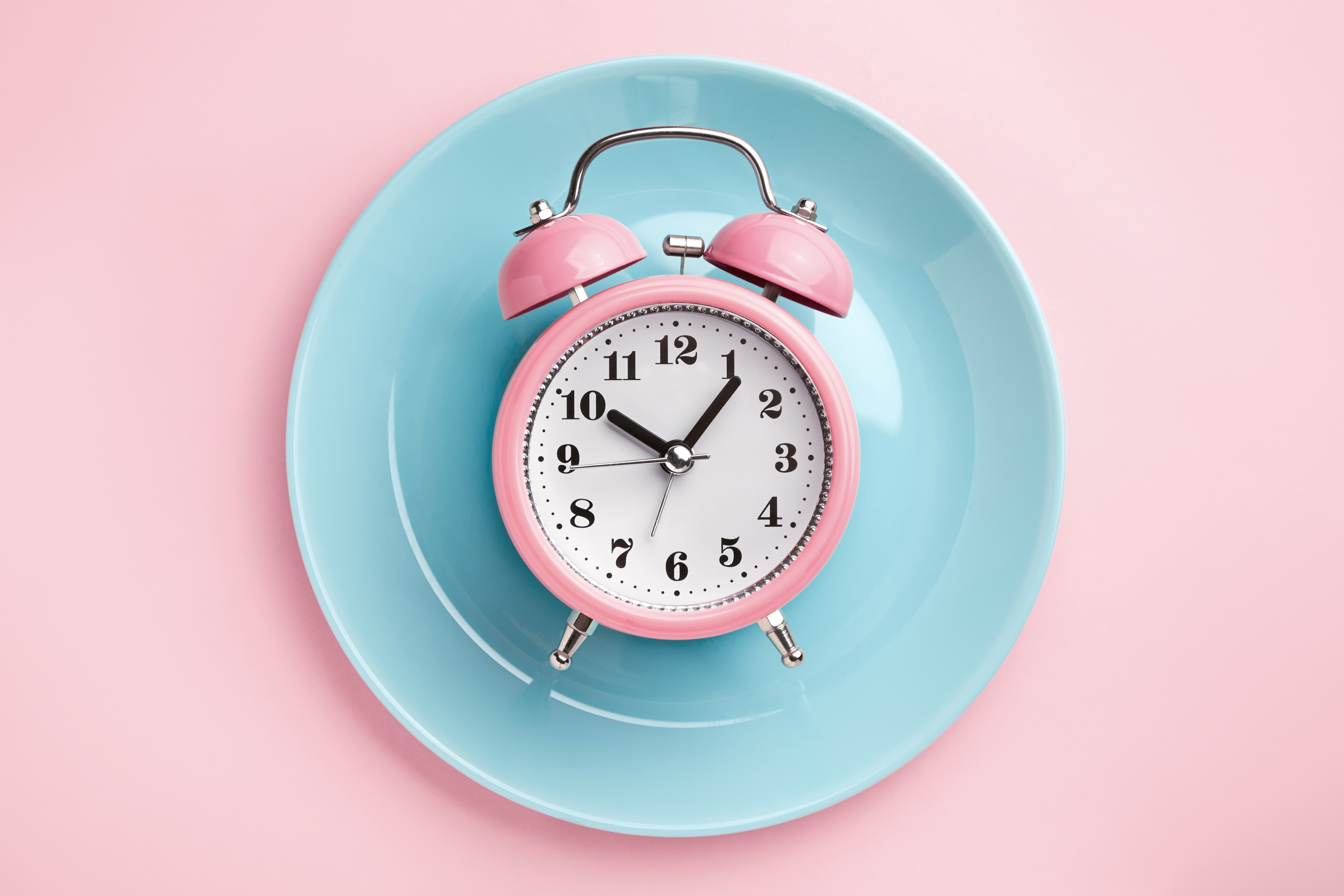
5 Simple Techniques to Make Break Time Truly Productive
Breaks aren’t wasted time — they’re opportunities. When you treat short pauses thoughtfully, you can return to work clearer, calmer, and more creative. With a little curiosity and simple routines, you can turn ordinary breaks into powerful resets that improve focus, energy, and mood. Here are five easy techniques you can apply today to make your break time genuinely productive.
Move in a Purposeful, Short Way
Sitting for long stretches drains energy and slows thinking. A quick, intentional movement break can restore circulation and lift your alertness without eating into your schedule. You can stand up and do a gentle stretch sequence, take a brisk three- to five-minute walk around the block, or practice a few mobility moves at your desk.
Keep it focused: pick two or three simple actions you enjoy — walking, stretching your shoulders, or swinging your arms. Set a timer for five minutes and move with attention. Movement that’s brief but purposeful helps your body release physical tension and primes your brain for better focus when you return to the task.
Practice a One-Page Mental Reset
A lot of stress and distraction comes from an overfull mind. One simple technique is the one-page mental reset: take a single sheet of paper or a notes app and write down everything nagging at you — tasks, worries, or ideas. Don’t organize it yet. Just empty your head onto the page.
When your thoughts are externalized, your brain stops juggling them. After dumping your list, highlight or circle two small next steps you can take in the next hour. This technique reduces cognitive load and gives you a clear path forward, so you return to work feeling lighter and more decisive.
Use a Micro-Learning Sprint
Breaks are ideal for tiny bursts of learning that build over time. Pick something small and specific: a five-minute video on a topic you’re curious about, a short article, or a single vocabulary word in another language. Micro-learning keeps your mind engaged and can spark new ideas without overwhelming you.
Choose one learning goal for the week and spend a few breaks on it. You’ll experience steady progress and the kind of creative cross-pollination that comes from exposing your brain to new inputs in short, regular doses.
Practice Focused Breathing or Mindful Awareness
Quiet moments can be productive in a restorative way. A focused breathing exercise for two to five minutes can lower stress and improve clarity. Sit comfortably, close your eyes if that feels good, and take slow inhales for four counts followed by exhales for four counts. Simple mindfulness of breath helps reset your nervous system and sharpens attention.
If breathing feels too formal, try a five-minute sensory scan: notice sounds, textures, smells, and physical sensations without judgment. This practice roots you in the present and often leads to calmer, more thoughtful work afterward.
Switch Creative Modes with a Mini Project
Sometimes the most productive break is a small creative shift. If your main work is analytical, spend a break doodling, arranging a short playlist, or photographing something interesting nearby. If you’re in a creative role, try a brief logic puzzle or organize your inbox headers for five minutes.
The goal is to change mental gears so the brain can apply different circuits when you return to your main task. A mini creative project refreshes your perspective and often brings unexpected solutions to the problems you were stuck on.
Conclusion
Breaks don’t have to be gaps in productivity — they can be the secret engine behind it. By moving with intention, clearing your mind, learning in micro-sessions, practicing short mindfulness, or shifting creative modes, you’ll return to work sharper and more energized. Try one technique at a time, tweak it to fit your rhythm, and notice how small changes compound into better focus and greater well-being. With a little creativity, your next break can be your best one yet.
This text was generated using a large language model, and select text has been reviewed and moderated for purposes such as readability.