

Designing Everyday Routines That Reflect Slow Living Principles
There’s a quiet magic in moving through your day with intention rather than rush. Exploring the transformative power of slow living means reshaping routines so they support calm, clarity, and purpose. With a little creativity, you can craft daily rhythms that help you feel more present, less frazzled, and more connected to what matters.
Start with gentle mornings
Mornings set the tone. Instead of sprinting from alarm to obligations, choose a few small, steady actions that anchor you. You can wake a little earlier to enjoy soft light, sip a warm drink in silence, or step outside for fresh air. These are simple ways to shift your nervous system from reactive to receptive.
Keep your morning ritual short and repeatable. A two- to fifteen-minute routine that combines movement, hydration, and a moment of intention can work wonders. Over time it becomes a signal to your brain that the day will be lived deliberately, not hurriedly.
Design pockets of unhurried time
Slow living isn’t about doing everything slowly; it’s about creating deliberate pauses. Schedule unscheduled time throughout your day: a quiet coffee break, a walk without headphones, or ten minutes to tidy your space mindfully. These pockets help you reset and notice what’s actually happening around you.
Turn transitions into rituals. Instead of rushing from one task to the next, use the five minutes between activities to breathe, stretch, or review your priorities. You’ll find decisions feel clearer and your energy steadier when you give yourself those intentional pauses.
Simplify and prioritize tasks
One core principle of slow living is cutting back on the nonessential. You can start by identifying two or three things each day that truly matter and focusing your best energy on them. Let smaller, less meaningful tasks be flexible or delegated when possible.
Use gentle boundaries to protect deep work and rest. Say yes to fewer commitments and no to the pressure of constant busyness. With this clarity, you’ll accomplish more of what matters without spreading yourself thin.
Bring slow into your space
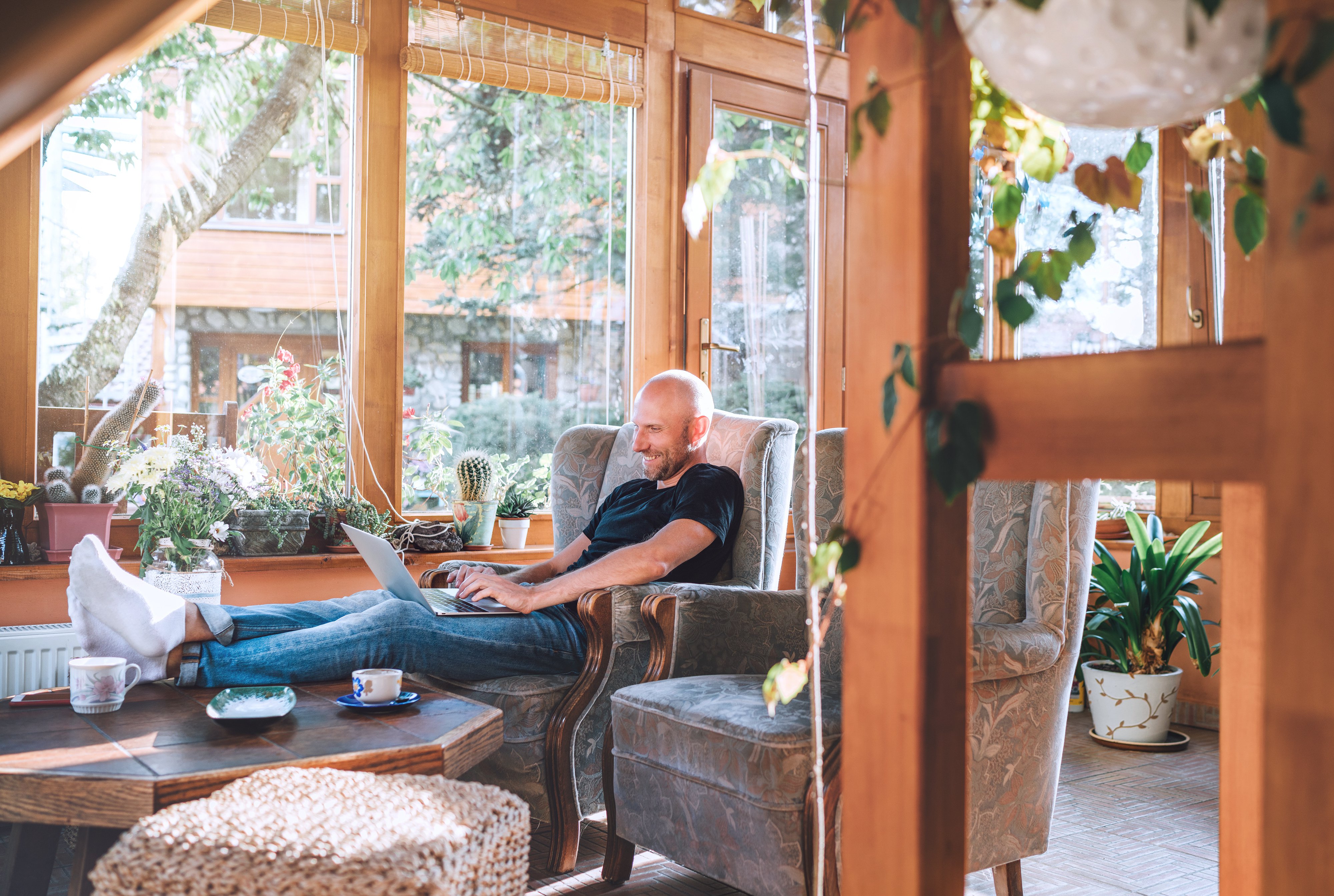
Our environment nudges our behavior. Creating a calm, functional space makes slow living easier. Choose a few surfaces to keep clear, introduce natural textures like wood and plants, and arrange items so they serve a purpose rather than clutter your attention.
Small rituals in the home—lighting a candle while you read, preparing food on a relaxed schedule, or keeping a small area for reflection—help domestic life feel less like a series of chores and more like a sequence of meaningful moments.
Nurture connections and seasonal rhythms
Slow living encourages deeper relationships and awareness of natural cycles. Carve out time for meaningful conversations rather than fragmented check-ins. You can schedule weekly catch-ups with close friends or family and treat them as important appointments with your wellbeing.
Observe seasonal rhythms in small ways: swap foods, adjust routines to daylight changes, or celebrate simple seasonal rituals. These practices anchor you in the passage of time and bring more richness to ordinary days.
Make technology work for you, not the other way around
Digital life doesn’t have to derail slow living. With intention, technology can be a tool rather than a constant demand. Choose specific windows for checking messages, turn off nonessential notifications, and create tech-free zones or hours in your home.
Simple strategies like batching email, silencing alerts during focus time, and using devices for mindful activities (like guided breathing or learning) allow technology to support a slower pace instead of fragmenting it.
Practice patience and iterate
Designing slow routines is an experiment, not a perfect plan. Start small, notice what feels nourishing, and adjust as life changes. You can add one new habit at a time, celebrate small wins, and let the process evolve with curiosity rather than judgment.
Over weeks and months, these incremental shifts add up. You’ll likely notice better focus, more calm, and a greater sense of purpose emerging from simple, consistent rituals.
Slow living is less about escaping life’s demands and more about choosing how you meet them. By crafting gentle mornings, intentional pauses, simplified priorities, thoughtful spaces, and tech-minded boundaries, you can create routines that reflect what you value. With a little creativity and steady practice, everyday life becomes a deliberate, nourishing journey rather than a blur—one small habit at a time.
This text was generated using a large language model, and select text has been reviewed and moderated for purposes such as readability.