
Hidden links between walkability, health, and real estate valueImagine choosing a home where a short stroll takes you to coffee, parks, and friends—and that same stroll quietly boosts your health and the resale value of your property. Walkability is more than a lifestyle perk; it creates surprising, tangible benefits for people and places. This article explores simple, practical ways walkable neighborhoods influence wellbeing and home prices, and how you can tap into those advantages whether you’re buying, selling, or improving a home.
Why walkability matters more than you might expect
When we think of home value, we usually consider square footage, schools, or recent renovations. Walkability layers on top of those basics in a different way: it shapes daily life. A neighborhood where errands, transit, and social spots are reachable by foot reduces reliance on cars, shortens commute-related stress, and makes spontaneous outings more likely. Those everyday conveniences accumulate into higher demand for homes in walkable areas.
From a practical standpoint, people notice walkability quickly—on a first visit, a buyer will pay attention to sidewalks, the friendliness of streets, and nearby destinations. Those impressions influence perceived desirability, which in turn affects property values over time.
How walkability supports health and wellbeing
Walkable neighborhoods make it easier to add movement into your day without scheduling extra workouts. You can walk to a bus stop, stroll to a grocery store, or take short neighborhood walks after dinner—small habits that add up to better fitness and lower stress. Studies consistently show links between walkable environments and higher rates of physical activity, more social interaction, and improved mental health.
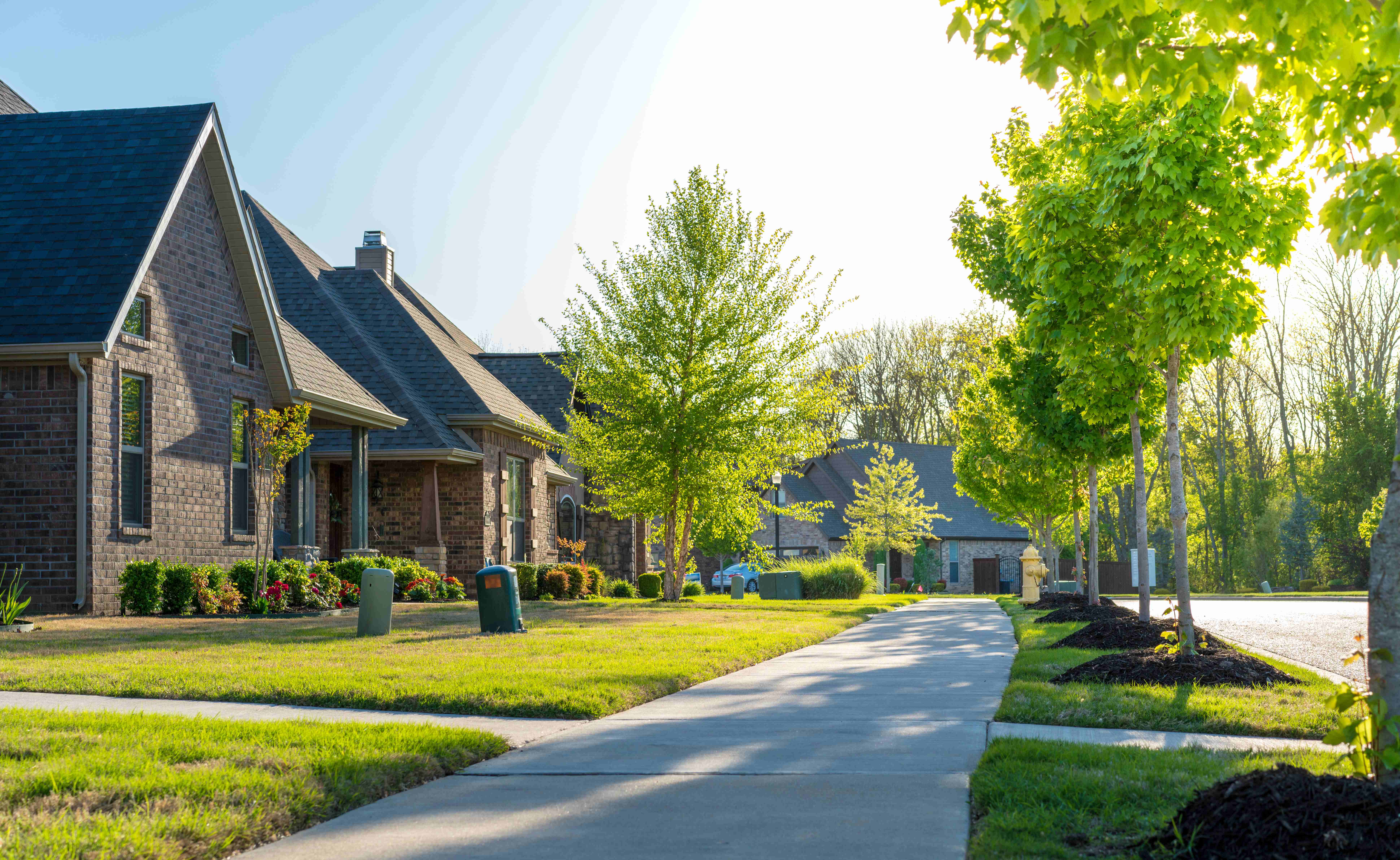
Simple environmental features support these benefits: continuous sidewalks, safe crossings, shaded routes, and pleasant destinations. You don’t need a dramatic overhaul to notice changes. Adding a daily 15-minute walk or choosing a route with nicer scenery makes walking more enjoyable and sustainable as a habit.
How walkability translates into real estate value
Walkable locations tend to attract higher demand because they offer convenience, social connectivity, and better day-to-day experiences. Buyers often pay a premium to live near shops, transit, parks, and cafes that can be reached on foot. Those premiums appear in sales prices and can benefit homeowners through stronger resale values over time.
But the link isn’t just about price tags. Homes in walkable neighborhoods may see shorter time on market, steady appreciation, and interest from diverse buyer groups—from young professionals to downsizing empty-nesters who favor convenience. For sellers, highlighting the walkable features around a home—nearby trails, grocery options, and short transit links—can create stronger emotional appeal during showings and listings.
Practical ways to evaluate and improve walkability
Assessing walkability is straightforward and empowering. Start by taking a walk or two in the neighborhood at different times of day. Notice how easy it is to reach daily needs, how safe intersections feel, and whether sidewalks are continuous. Think about the quality of nearby green spaces and whether street lighting and benches make walking pleasant.
If you’re a homeowner interested in improving walkability, small changes can make a difference. Simple upgrades like adding potted plants, creating visible crosswalks with community support, or arranging for bike racks near your property increase perceived friendliness. Organizing or joining a neighborhood walking group can also draw attention to small infrastructure needs and encourage local action.
Applying walkability insights when buying or selling
If you’re looking to buy, make walkability a checklist item alongside schools and commute time. Consider how often you’ll rely on walking, whether transit is important, and which destinations you want close by. You can imagine a typical week in each home you visit: where you’d walk, what errands become easier, and how that lifestyle matches your priorities.
For sellers, emphasize the walkable attributes of your property and neighborhood in marketing materials and tours. Photograph nearby parks, show common walking routes, and share anecdotes that highlight convenience—buyers respond to vivid, relatable stories as much as dry facts.
Small choices add up to long-term gains
Walkability connects to health, happiness, and home value in ways that often slip under the radar. By paying attention to nearby amenities, street quality, and everyday routes, you can make smarter housing choices and take small steps to improve your neighborhood. With a little creativity, simple ways to enhance walkability—like planting, hosting a walking group, or advocating for better crossings—can improve your quality of life and protect your investment.
Whether you’re moving soon or settling in for the long haul, walkability is a powerful, accessible factor that rewards attention. You can build healthier routines, stronger community ties, and more resilient property value—one step at a time.
This text was generated using a large language model, and select text has been reviewed and moderated for purposes such as readability.