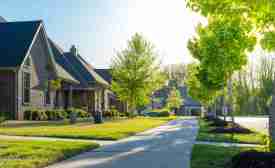


Every town and neighborhood hides stories in plain sight: a faded sign, a patchwork garden, a pattern of footsteps worn into a stair. Developing an eye for unique local details turns ordinary walks into discovery sessions. Whether you want richer photos, better writing, or simply a deeper connection to the places you visit, you can learn to notice things others walk past. These are simple ways to tune your attention and capture the small, meaningful elements that make a place sing.
Slow Down and Walk Like a Local
Speed blurs detail. Make a conscious decision to slow your pace. Walk routes you wouldn’t normally choose, linger at corners, and pause before entering buildings. When you slow down, your brain has room to pick up textures, scents, and small human gestures that make a place unique.
Start by taking one familiar street and walking it at half your usual speed. Notice differences in the pavement, the rhythm of doorbells, the arrangement of storefront displays. Try timing a route: allow yourself ten extra minutes to stop at anything that catches your eye. With a little creativity, those extra minutes become a treasure map of overlooked features.
Tune Into Texture and Color
Color and texture are immediate, low-effort cues to a location’s character. Look for recurring color palettes and material choices: a neighborhood that favors teal doors, rusted metal fences, or hand-painted signage tells a story about its climate, history, and the people who live there.
Practice a short exercise: pick a color each day and find five examples of it in different contexts—on a door, in a window, on a vehicle, in nature, and on a street sign. Alternatively, pay attention to textures—brick, corrugated metal, peeling paint—and note how they interact with light. Over time you’ll start recognizing patterns that point to local trades, weather habits, and cultural preferences.
Ask Curious, Open Questions
Conversation is one of the best ways to uncover hidden details. Simple, open-ended questions spark stories and reveal history. Ask where a mural came from, why that particular shrub dominates a front yard, or how a street got its name. People often enjoy sharing local lore when prompted with genuine curiosity.
Approach conversations with warmth and patience. Say you’re exploring and would love to hear something about the area. You can learn traditions, family-run businesses’ origins, or even tiny rituals that happen every weekend. These anecdotes become details you won’t find in guidebooks.
Follow Unusual Paths and Patterns
Human habits create invisible maps: the route kids take to school, the shortcut older adults use between two blocks, the side street where bicycles are parked. Following these patterns reveals functional details—where people meet, how spaces are used at different times, and what parts of a place are valued or avoided.
Try a simple habit: each visit, pick one unconventional direction and follow it for a block or two. Notice how buildings change, where noise levels drop, and where small community signs appear. These detours often lead to pocket parks, community bulletin boards, or informal markets—rich veins of local detail.
Record and Reflect Regularly
Noticing is only half the game. Record what you find and reflect on it. Carry a small notebook, use a voice memo, or take quick photos focused on single elements rather than wide scenes. Make a habit of noting one interesting discovery per day.
Later, revisit your notes and look for connections. Are there recurring motifs? Does a certain corner appear in multiple entries? Reflection helps you build a mental catalog of local details that you can draw on for storytelling, photography, or simply personal enjoyment. With consistent practice, your eye becomes faster and more intuitive.
Bringing Local Details Home
Learning to spot hidden local details is an empowering skill. You don’t need expertise—just curiosity, patience, and a few simple habits. You can turn ordinary walks into ongoing learning, enhance your creative work, and deepen your sense of belonging wherever you go. Start small, stay curious, and enjoy the discoveries waiting just around the next corner.
This text was generated using a large language model, and select text has been reviewed and moderated for purposes such as readability.