
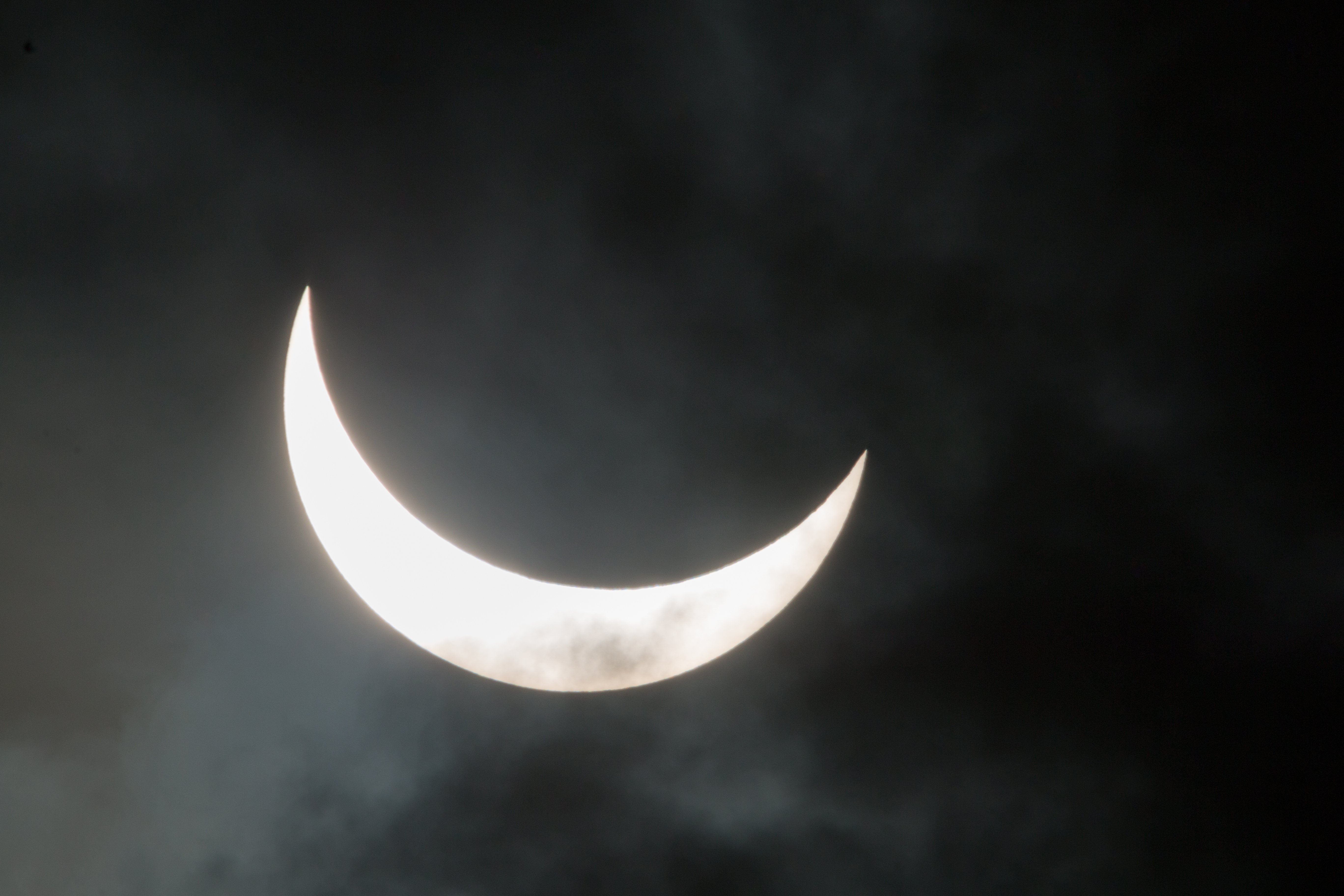
The 2026 total solar eclipse will sweep across parts of the Iberian Peninsula, creating a narrow corridor of totality where the Moon completely covers the Sun. This article lays out the corridor and timing framework, compares candidate vantage points in Spain and nearby areas, explains how elevation and horizon affect visibility, reviews transport and accommodation logistics, summarizes typical late‚ÄëMarch climatology and cloud odds, and offers safety and contingency guidance for planners and photographers.
Totality corridor and timing framework
The eclipse’s totality corridor is a narrow swath where observers experience complete darkness for a short interval. Exact contact times—first, second (start of totality), third (end of totality), and fourth contacts—vary by location to the second. Planners should obtain site‑specific ephemeris from authoritative sources (national observatories or international eclipse tables) for precise UTC and local times. Typical planners compare predicted totality duration, local sunrise/sunset angle, and sun altitude at mid‑totality to estimate photographic windows and crowd movement.
Top viewing sites across the Iberian Peninsula
Northern coastal and inland provinces that lie under the corridor are the primary candidates for maximum totality length and accessible infrastructure. Regions routinely considered include western Galicia, Asturias, Cantabria, and parts of the Basque Country and Navarra. Within those regions, commonly evaluated vantage points combine clear horizons, reachable elevation, and services for visitors.
Examples of site types to evaluate are headlands and low cliffs (for unobstructed western horizons), river terraces and plateau edges (for panoramic views), and smaller towns with open plazas that offer emergency services and transport options. Urban sites provide amenities but higher crowd density; rural hilltops may give better sight lines but require parking and short hikes.
How elevation and horizon shape visibility
Elevation changes apparent duration and viewing comfort. Higher vantage points can extend the visible horizon and reduce local obstructions like buildings and trees, but extreme elevations may introduce line‑of‑sight angles that complicate framing and tracking for long‑lens photography. Photographers typically balance modest elevation (100–400 m) with a clear 360° horizon for eclipse sequencing.
Flat coastal locations give a clear directional horizon useful for low‚Äëaltitude Sun positions; inland ridgelines reduce the chance of foreground obstructions. For group viewing, gently sloped fields offer staggered sight lines without steep approaches.
Transport access, parking and site throughput
Access planning begins with the nearest regional highways and rail links, then drills down to last‚Äëmile roads and parking capacity. Road closures or temporary restrictions are common near popular viewing points; consult local authority bulletins for permitted routes and recommended arrival windows. Sites with formal car parks or municipal lots handle throughput better than roadside pullouts.
Rail access can reduce parking stress—stations within walking distance of open viewing areas are high-value for large groups and equipment. Arrange drop‑off points for photographers carrying tripods and tracking mounts to minimize walking distances from parking to vantage points.
Accommodation, camping and booking lead times
Accommodation inventory along the corridor will be constrained well ahead of the event. Hotels, guesthouses and organized campsites typically fill first. Booking lead times measured in months are typical for rooms; campsites and private rural rentals often require similar advance arrangements. Operators who host eclipse visitors commonly coordinate permits and shuttle logistics, so evaluating tour options early helps lock in services.
Typical late‚ÄëMarch climatology and cloud probability
Late‑March climatology for northern Iberia shows a transition season with variable cloud cover and a nontrivial probability of frontal systems. Historical climatological records from national meteorological agencies indicate higher cloud odds along the Atlantic coast and lower but not negligible cloudiness inland. Local microclimates—coastal fog in low‑lying estuaries versus drier conditions on elevated plateaus—can produce significant differences over tens of kilometers.
Use multi‚Äëyear cloud fraction maps and morning satellite trends in the week before the event to refine site selection. Remember that historical climate data are indicative, not predictive, so include contingency options.
Local permits, gatherings and crowd considerations
Large gatherings may trigger municipal restrictions, temporary event permits, or managed access in sensitive natural areas. Coastal promenades, protected headlands and urban plazas commonly require prior coordination with town councils or land managers. Planners should contact local authorities early to understand permitted activities, staging areas for media, and rules for amplified sound or commercial vending.
Expect organized public events and private tours; shared awareness of routes and queuing areas helps maintain safety and reduces conflicts between observers and local traffic.
Safety guidelines and recommended viewing equipment
Direct Sun viewing requires certified eclipse eyewear except during the short interval of totality when the Sun is fully obscured. Photographers using telescopes or long lenses must employ solar filters for all phases before and after totality. Protective filters must meet recognized safety standards from accredited testing bodies.
Essential equipment for planners includes: eclipse glasses for the group, secure tripod and mounting for cameras, spare batteries and memory cards, a trusted ephemeris app or printed contact times, and basic first‚Äëaid supplies. For remote sites, carry water, shelter tarps, and communication devices with local SIM coverage or portable radios.
Contingency planning and nearby alternative locations
Contingency plans should list at least two alternate sites within a reasonable driving radius that remain inside the totality corridor. Prioritize alternates with different microclimates—for instance, an inland plateau if the coast shows high morning fog probability. Establish travel time thresholds: moving more than one hour on the day adds risk, while prepositioning a crew in a secondary site the night before reduces reaction time.
Prioritized logistical checklist for booking and contingency planning
- Reserve lodging or campsite at least several months ahead; confirm cancellation and weather policies.
- Secure local permits and verify parking arrangements with municipal authorities.
- Obtain site‚Äëspecific contact times from authoritative ephemeris sources and print hard copies.
- Assess access roads and arrange alternative routes for congestion or closures.
- Pack certified eye protection and solar filters sized for each optical device.
- Pre‑identify two alternate viewing sites with contrasting microclimates within one hour’s drive.
- Plan arrival windows that allow time for setup, public flows, and brief rehearsals of photo sequences.
Trade‚Äëoffs, constraints and accessibility considerations
Choosing a site is a balance among totality duration, weather odds, access, and crowd size. Coastal headlands may offer long horizons but higher cloud probability; inland ridgelines often provide drier conditions but limited parking and steeper approaches that affect wheelchair access. Large towns offer emergency services and transport but typically have heavier crowds that complicate tripod placement and street closures. Accessibility planning should include parking for reduced mobility, firm walking surfaces, and proximity to sanitary facilities.
Historical climate datasets help prioritize areas but do not guarantee clear skies. Last‑minute access restrictions—such as temporary traffic measures or conservation area closures—can appear in the weeks prior; maintain contact with local authorities for updates.
Key takeaways for planners and evaluators
Successful viewing depends on matching a site’s horizon, elevation and infrastructure to weather probabilities and access constraints. Early booking, verification of site‑specific contact times from official ephemerides, coordination with local authorities, and a layered contingency plan that includes alternate sites with different microclimates are central to reducing risk. A prioritized checklist focusing on lodging, permits, timing, filters and alternates helps translate research into action while preserving flexibility on event day.
This text was generated using a large language model, and select text has been reviewed and moderated for purposes such as readability.